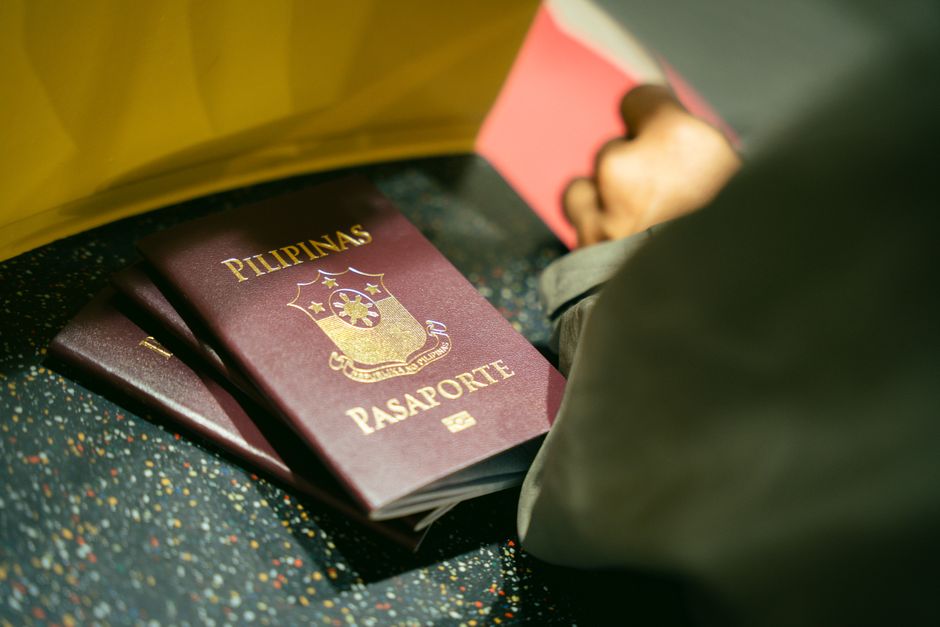
Exploring the beautiful islands and stunning landscapes of the Philippines without breaking the bank is entirely possible with budget custom private tours and packages designed for every kind of explorer. Travelers love these tailored experiences because they offer the ultimate blend of adventure and comfort, allowing you to discover the best regions at your own relaxed pace. One of the biggest perks of private guided tours is the personalized attention you receive throughout your journey. With small group sizes, you can enjoy a much more intimate experience as you explore iconic spots like the stunning beaches of Palawan, the vibrant streets of Cebu, and the breathtaking rice terraces of Banaue. Plus, you get to experience all of this while staying in comfortable standard three-star lodging.
Plan your trip today by collaborating with a dedicated local expert who will help craft a personalized itinerary tailored specifically to your unique travel preferences and schedule requirements. You can choose from a variety of durations depending on your timeframe, including one week tours, cruises, and private trips, ten days adventures, or comprehensive two week explorations across the region. Whether you prefer luxury tours, standard itineraries, or budget-friendly packages, there is an option available to match your financial plan and vacation style. Four distinct trips are currently offered across three different trusted travel companies for the upcoming 2026 and 2027 seasons.
Key details to consider when planning your getaway include:
- Estimated price starting around 700 dollars.
- Tailored itineraries crafted by destination specialists.
- Access to attractions and landmarks guides for major islands.
- Flexible durations ranging from seven to fourteen days.
Embarking on this kind of tailored journey ensures you won't miss out on the most scenic landmarks and cultural hotspots the country has to offer. The planning process is straightforward, requiring you only to share your core travel preferences so that local specialists can build the ideal itinerary for your upcoming holiday. Your dream island getaway is waiting to be built from the ground up to match your exact specifications.
Travel Philippines Security Updates and Essential Safety Protocols 2026
The Foreign, Commonwealth and Development Office provides critical safety data for those planning trips to the Philippines in 2026. Security assessments highlight specific regional risks that demand careful attention. Authorities strongly advise against any travel to the Sulu archipelago and the western and central regions of Mindanao. These areas face significant threats from terrorist activity and ongoing clashes between military units and insurgent factions. If you are heading to the remaining parts of Mindanao, ensure your itinerary is essential, as the volatile security environment makes non-essential movement dangerous. Always verify the current status of these areas before booking flights or accommodation.
- Ensure your itinerary is essential for the remaining parts of Mindanao.
- Always verify the current status of these areas before booking flights or accommodation.
Beyond civil unrest, the Philippines faces frequent natural hazards. The nation typically experiences around 20 typhoons annually, with the highest concentration occurring between June and November. These storms often trigger severe flooding, landslides, and infrastructure failure. When planning your visit, monitor the Philippines state weather agency and the Disaster Risk Reduction and Management Council for real-time alerts. Digital resources such as typhoon2000.ph and the social media handle @Typhoon2k provide timely updates that can help you adjust your schedule to avoid extreme weather events. If a storm is forecasted, prioritize local government directives above your personal plans.
- Monitor the Philippines state weather agency and the Disaster Risk Reduction and Management Council for real-time alerts.
- Prioritize local government directives above your personal plans if a storm is forecasted.
Political stability is another factor for travelers to consider. Current reports indicate that large-scale demonstrations are expected in Metro Manila and other urban hubs throughout the coming weeks. While these events are a common part of the local political landscape, they frequently lead to massive travel disruptions, road closures, and localized chaos. You should avoid all rallies and large crowds entirely. Leave extra time for transit to airports or essential meetings, and keep a close watch on local news outlets. If you find yourself near a protest, move away immediately and follow instructions from local law enforcement to ensure you don't get caught in sudden escalation.
- Avoid all rallies and large crowds entirely.
- Leave extra time for transit to airports or essential meetings.
- Keep a close watch on local news outlets.
- Move away immediately and follow instructions from local law enforcement if you find yourself near a protest.
Global events continue to influence the logistics of international travel. Recent shifts in the Middle East have resulted in widespread airspace closures and flight cancellations, which can ripple across global routes including flights to the Philippines. Although commercial transport remains operational, you should anticipate potential delays or itinerary changes. Check with your airline frequently for updates on your specific flight path.
- Anticipate potential delays or itinerary changes.
- Check with your airline frequently for updates on your specific flight path.
Before departing, verify that your insurance policy covers your entire itinerary, including specific activities and emergency medical costs. Travel insurance acts as your primary financial safeguard; note that your coverage might be invalidated if you travel against the official advice provided by the government. Keep digital copies of your essential documents in a secure, cloud-based location that you can access if physical copies are lost during a disruption. Research your specific destination thoroughly and maintain a list of local emergency contacts, including the nearest embassy or consulate. Staying informed and being flexible with your plans are the most effective ways to navigate the landscape. Check your insurance documents today to confirm that your current policy provides adequate coverage for the specific risks associated with your upcoming transit and stay.
- Verify that your insurance policy covers your entire itinerary, including specific activities and emergency medical costs.
- Keep digital copies of your essential documents in a secure, cloud-based location.
- Research your specific destination thoroughly.
- Maintain a list of local emergency contacts, including the nearest embassy or consulate.
- Check your insurance documents today to confirm that your current policy provides adequate coverage for the specific risks associated with your upcoming transit and stay.